The historical evolution of gambling From ancient rituals to modern regulations
The Origins of Gambling in Ancient Civilizations
The history of gambling can be traced back to ancient civilizations where it was often intertwined with religious practices and rituals. Archaeological findings reveal that games of chance were played in places like Mesopotamia, where clay tokens were used for divination and fortune-telling. Similarly, ancient Chinese texts describe the use of dice dating back to 2000 BC, indicating that early humans sought out ways to predict the future and engage in chance-based activities.
In ancient Rome, gambling was prevalent and widely accepted, often involving wagers on gladiatorial contests and other public events. The Romans developed various games of chance, such as dice games, which were played in taverns and at home. This acceptance laid the groundwork for gambling as a form of entertainment, highlighting how societal attitudes toward chance and risk evolved over time.
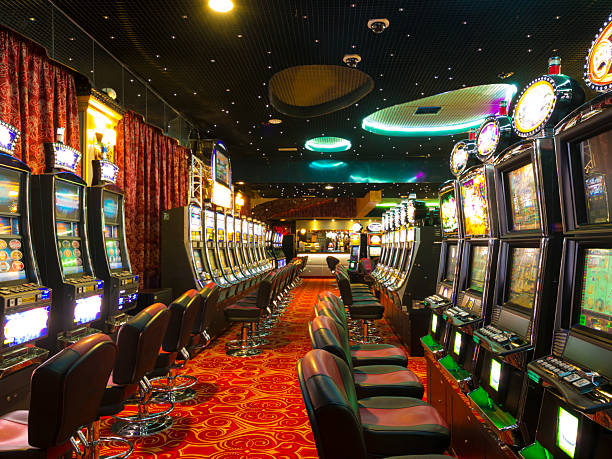
In other cultures, such as ancient Egypt, gambling was also significant, with the game of Senet believed to represent the journey of the soul in the afterlife. These early games were not merely for entertainment; they often held spiritual significance, illustrating that the allure of gambling has been a part of the human experience for millennia.
Medieval Gambling Practices and Their Impact
The medieval period saw a shift in gambling practices, largely influenced by societal and religious attitudes towards games of chance. While the Church condemned gambling as sinful, the popularity of gambling grew in secret among the nobility and the lower classes alike. Various card games emerged, many of which have evolved into the modern card games we know today, and dice games remained popular as well.
During this time, the establishment of gambling houses began, leading to the creation of the first known casinos. The first official gambling house, known as the Ridotto, opened in Venice in 1638, providing a regulated environment for gambling. This marked a crucial transition from informal betting to organized gambling, setting the stage for the development of more sophisticated gambling establishments.
The impact of gambling during the medieval era can still be seen today, as many of the games and betting practices established during this period have persisted. The tension between the enjoyment of gambling and the moral implications highlighted by religious authorities created a complex relationship that would continue to evolve in the following centuries.
The Rise of Modern Casinos and Legal Frameworks
The 18th and 19th centuries marked the emergence of modern casinos, particularly in Europe and the United States. The Monte Carlo Casino, established in 1863, became a symbol of luxury and high-stakes gambling, attracting the wealthy elite. As gambling gained popularity, it began to be regulated by governments, leading to the creation of legal frameworks that sought to control this burgeoning industry.
In the United States, the rise of Las Vegas as a gambling hub in the 20th century transformed the landscape of gambling. The legalization of gambling in Nevada in 1931 set a precedent, paving the way for states to create their own regulations. This led to a proliferation of casinos across the country, catering to a diverse range of players and offering numerous gaming options.
As governments recognized the economic potential of gambling, they began to tax revenues generated by casinos, further legitimizing the industry. This period marked a significant turning point, as gambling transitioned from a largely underground activity to a mainstream form of entertainment, with laws and regulations designed to protect players and ensure fair play.
The Digital Revolution and Online Gambling
The advent of the internet in the late 20th century ushered in a new era for gambling, leading to the birth of online casinos. Initially viewed with skepticism, online gambling gained traction as technology improved, allowing for secure transactions and engaging gaming experiences. Players from around the world began to explore virtual gaming environments, leading to a surge in popularity.
In response to this growth, various jurisdictions developed legal frameworks to regulate online gambling, addressing concerns over fairness, security, and underage gambling. The first online casino was launched in 1994, paving the way for a rapidly expanding market that offered everything from classic table games to innovative slot machines, catering to a wide array of preferences.
The rise of mobile technology further revolutionized the industry, allowing players to gamble on-the-go. This accessibility has reshaped the gambling landscape, enabling operators to reach a broader audience and provide a more personalized gaming experience. The modern online gambling environment is characterized by bonuses, promotions, and the integration of cryptocurrencies, enhancing player engagement and security.
Westace Casino: A Modern Destination for Gamblers
As the world of gambling continues to evolve, platforms like stand out by providing secure online gaming experiences tailored to the modern player. With a diverse range of games, from classic slots to live dealer options, focuses on creating an engaging environment for users. The integration of cryptocurrencies ensures that transactions are not only fast but also private, appealing to a tech-savvy demographic.
also emphasizes customer satisfaction, offering 24/7 customer service to assist players with any queries or concerns. This commitment to support enhances the gaming experience, making it enjoyable and accessible for everyone. Additionally, generous bonuses and promotional offers entice new players to join and explore the various gaming options available.
In a world where gambling regulations are becoming increasingly important, adheres to modern standards, providing a safe and responsible gaming environment. As the industry continues to grow, platforms like will play a crucial role in shaping the future of gambling, offering a unique blend of tradition and innovation for players around the globe.